Featured

Excitement About Inflation Impacting How More Families Need Are Seeking 10 Tips to Boost Your Savings and Improve Financial Health: APFSC
Table of Contents
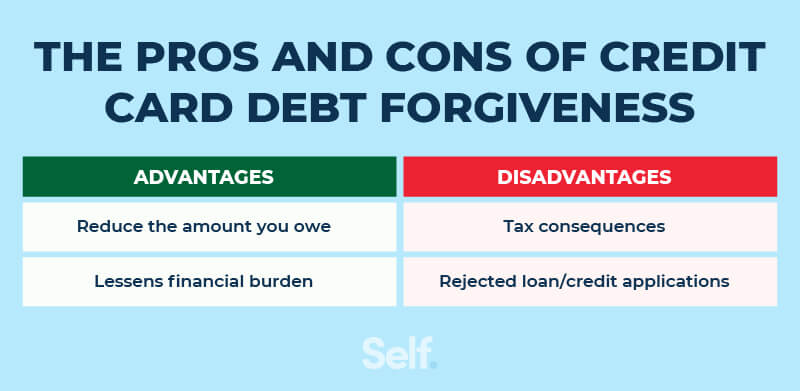
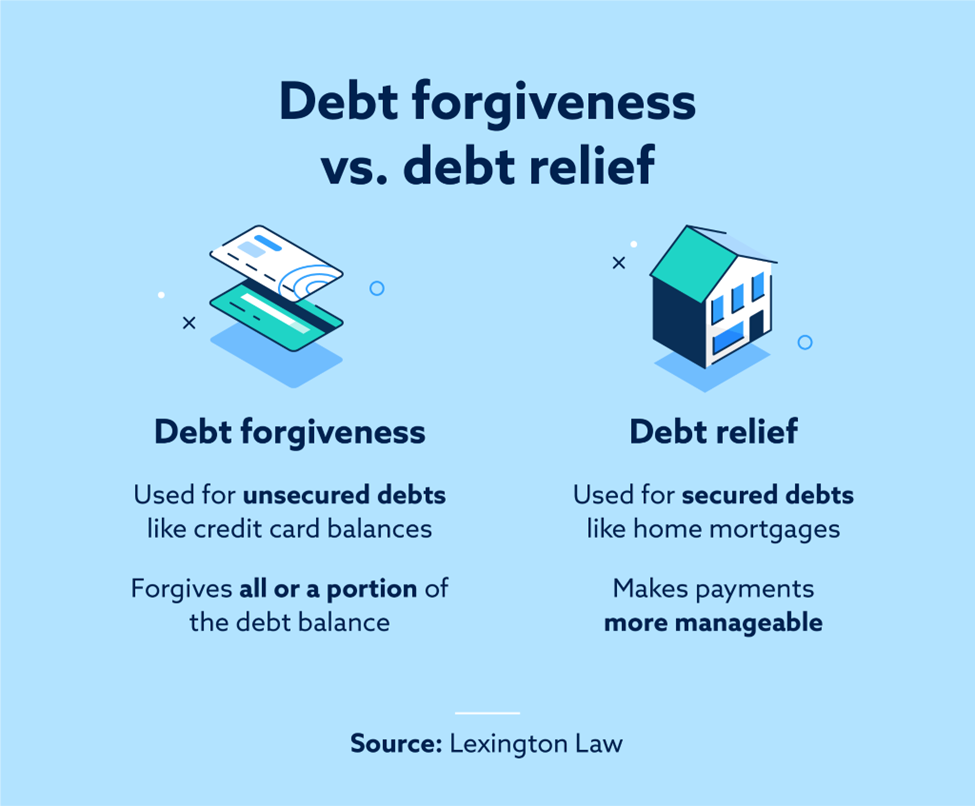
That maximizes cash in the short-term, and you might have 3 to 4 years to save towards the settlement quantity. Very dangerous to debt scores, mostly because of missed settlements and an adverse "settled" mark that might remain on your credit scores record for as much as 7 yearsMay be only choice if other choices (debt loan consolidation, balance transfer charge card, debt mercy) aren't possibleTypically needs a fee to the 3rd party, which might offset some or every one of the financial savings from debt settlementMay aid you avoid bankruptcy if you've missed out on several paymentsNot all lenders deal with financial obligation settlement business Debt forgiveness may be right for you if you are experiencing a monetary hardship that makes it virtually impossible to pay for your financial obligation balances.
With a DMP, you make one month-to-month payment to the credit report therapy agency. Those funds are then dispersed to lenders of your unprotected financial obligations, such as bank card and installment finances. The firm deals with your financial institutions to minimize rate of interest or forgo costs, but some financial institutions may reject such giving ins.
A financial obligation combination financing combines your eligible financial debts right into one brand-new funding. It can aid you pay for financial obligation if you have the ability to protect a finance price that's less than the typical rate of the accounts you're consolidating. Nonetheless, you must avoid racking up financial debt on those recently cleared accounts or your financial debt could expand even higher.
That provides you lots of time to get rid of or substantially minimize your balance while making interest-free payments.
6 Simple Techniques For What to Watch For When Selecting Debt Relief Services
You may need it if your lender or a collection agency ever before attempts to gather on the financial obligation in the future. When a loan provider forgives $600 or more, they are required to send you Form 1099-C.
Debt mercy or negotiation virtually always hurts your credit report. Anytime you settle a financial obligation for less than you owe, it might look like "settled" on your credit history report and affect your credit report for seven years from the date of settlement. Your credit scores can additionally go down considerably in the months resulting in the mercy if you fall back on settlements.
Everything about Value to Invest in Professional Debt Counseling
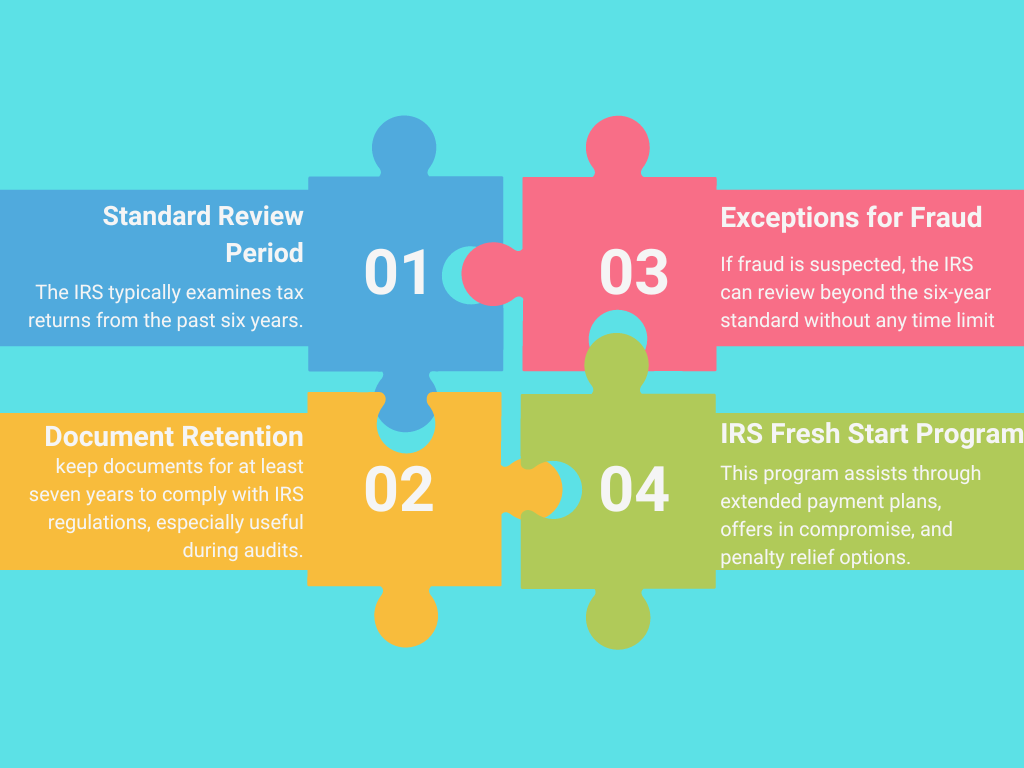
Tax obligation financial debt concession programs Tax obligation financial debt occurs when the amount of tax obligations you owe exceeds what you have paid. This scenario frequently arises from underreporting revenue, not filing returns on time, or inconsistencies located during an internal revenue service audit. The repercussions of gathering tax obligation debt are major and can include tax obligation liens, which provide the IRS a lawful case to your property as protection for the financial obligation.
Salaries and Financial institution Accounts IRS can levy (take) salaries and bank accounts to satisfy the financial obligation. Property Seizure In severe cases, the Internal revenue service can take and sell building to cover the financial obligation.
Anxiety, anxiety, and various other psychological wellness problems. Social Stigma Dealing with lawful activity from the IRS can carry social preconception. Damage to track record and relationships. Work Opportunities An inadequate debt score as a result of strain debt can restrict job opportunity. Trouble searching for or maintaining a job. Federal government Advantages Tax financial obligation may impact qualification for federal government advantages, such as Social Security and Medicaid.
Free Educational 10 Tips to Boost Your Savings and Improve Financial Health: APFSC Resources Provided to You Things To Know Before You Get This
The OIC takes into consideration numerous elements, consisting of the taxpayer's revenue, expenditures, possession equity, and capability to pay. Successfully working out an OIC can be complex, needing a detailed understanding of the IRS's guidelines and a solid argument for why your offer straightens with your ability to pay. It's essential to note that not all applications are approved, and the process needs detailed economic disclosure.
The internal revenue service analyzes your total financial circumstance, including your earnings, costs, possession equity, and capacity to pay. You should also be present with all filing and settlement demands and not remain in an open personal bankruptcy case. The internal revenue service additionally considers your compliance background, evaluating whether you have a record of prompt declaring and paying tax obligations in previous years.
Examine This Report about Ways Reputable Providers Uphold Professional Standards
The application process for an Offer in Compromise entails a number of thorough actions. Initially, you have to finish and submit IRS Kind 656, the Offer in Concession application, and Kind 433-A (OIC), a collection info statement for people. These forms need extensive financial information, consisting of details concerning your earnings, financial obligations, expenses, and properties.
Back taxes, which are unpaid taxes from previous years, can considerably enhance your complete IRS financial obligation otherwise dealt with promptly. This financial debt can accumulate interest and late repayment penalties, making the initial quantity owed much larger gradually. Failure to pay back tax obligations can result in the IRS taking enforcement activities, such as issuing a tax lien or levy against your residential property.
It is necessary to attend to back taxes as quickly as feasible, either by paying the complete amount owed or by organizing a layaway plan with the IRS. By taking positive actions, you can stay clear of the build-up of extra interest and fines, and avoid more aggressive collection actions by the IRS.
One typical reason is the belief that the taxpayer can pay the total either as a round figure or via a repayment plan. The internal revenue service also takes into consideration the taxpayer's earnings, costs, property equity, and future earning capacity. If these variables suggest that the taxpayer can afford to pay greater than the offered amount, the internal revenue service is likely to turn down the offer.
4 Easy Facts About Pricing Clarity That Reputable Providers Disclose Shown
It is crucial to provide precise and complete details in your application and to consult with a tax obligation expert to enhance the chances of approval. Taking care of IRS debt can be intricate and difficult. Tax obligation professionals, such as Certified public accountants, tax lawyers, or enrolled representatives, can give very useful support. They have the expertise to browse the complexities of tax obligation law and IRS treatments.

Table of Contents
Latest Posts
)
Unknown Facts About First Meeting and What to Expect

Not known Incorrect Statements About Shielding Yourself from Fraudulent Operators
How Quality Counselors Differ from Alternative Debt Relief Companies Fundamentals Explained
More
Latest Posts
Unknown Facts About First Meeting and What to Expect
Not known Incorrect Statements About Shielding Yourself from Fraudulent Operators
How Quality Counselors Differ from Alternative Debt Relief Companies Fundamentals Explained